Puretaboo211123kitmercerpushoverxxx1080 Upd ⭐ 🆓

Compatibility:

puretaboo211123kitmercerpushoverxxx1080 upd

OptiFDTD

70 MB

Below are popular user links:

FDTD Publications
FDTD Videos
FDTD Features
FDTD Tutorials

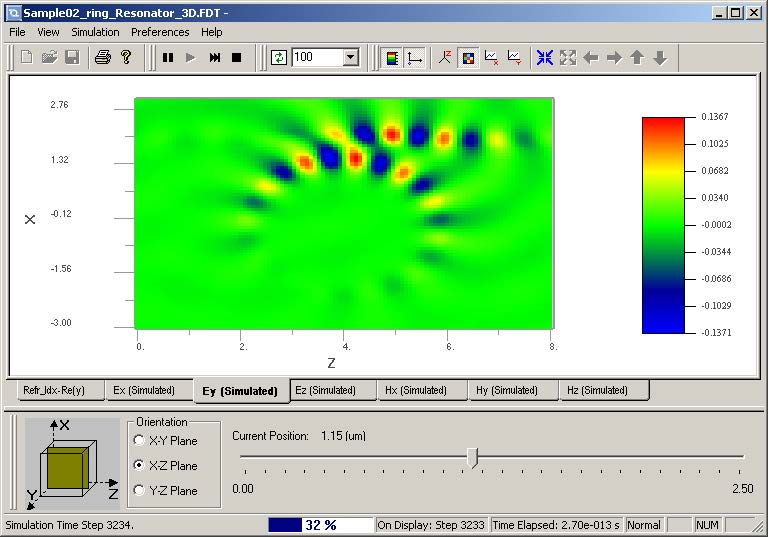
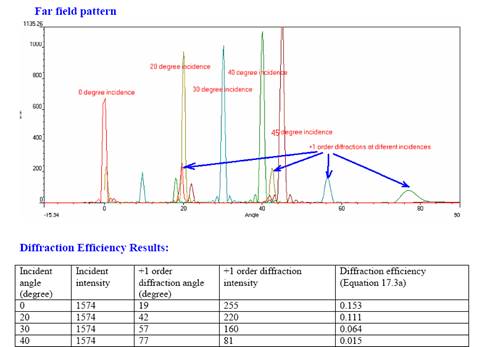
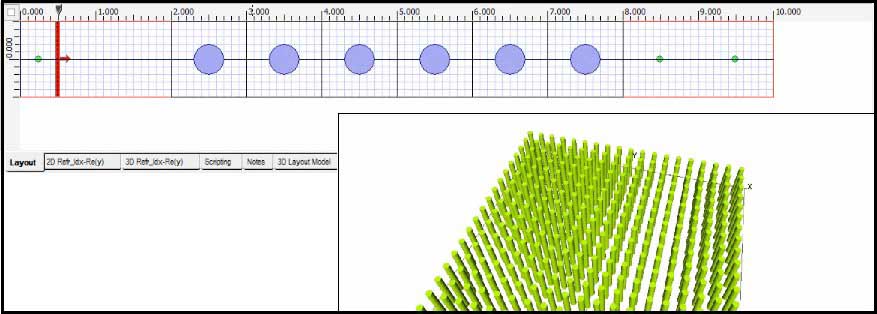
OptiFDTD enables you to design, analyze and test modern passive and nonlinear photonic components for wave propagation, scattering, reflection, diffraction, polarization and nonlinear phenomena. The core program of OptiFDTD is based on the Finite-Difference Time-Domain (FDTD) algorithm with second-order numerical accuracy and the most advanced boundary conditions – Uniaxial Perfectly Matched Layer (UPML).

The algorithm solves both electric and magnetic fields in temporal and spatial domain using the full-vector differential form of Maxwell’s coupled curl equations. This allows for arbitrary model geometries and places no restriction on the material properties of the devices.

Applications

  • Surface Plasmon Resonance (SPR)
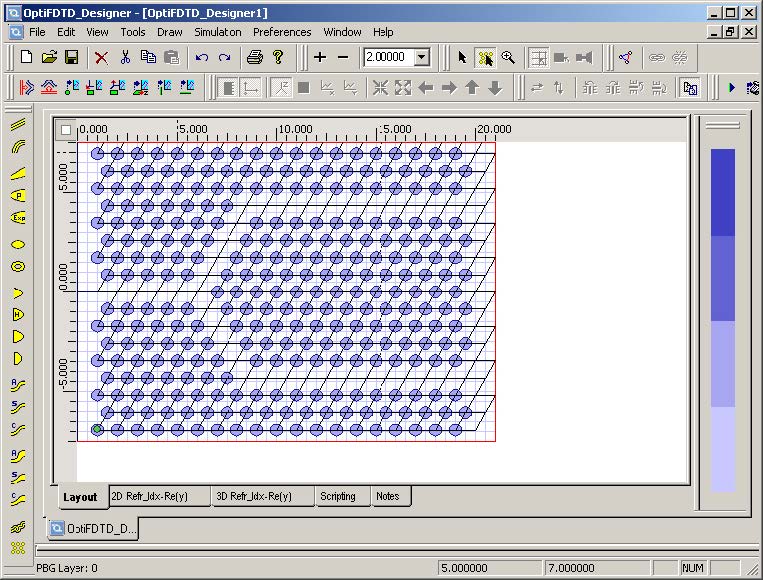
  • Photonic band gap materials and devices
  • Nano-particles, and tissue cells
  • Diffractive micro-optics elements and lenses
  • Complex integrated optics structures
  • Nonlinear materials, dispersive materials
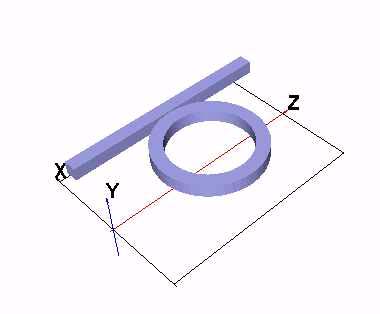
  • Optical micro-ring filters and resonators
  • Grating based waveguide structures
  • Electromagnetic phenomena


Interface with Popular DesignTools
  • Code V
  • Zemax

Feel free to browse our FDTD gallery (click to enlarge):
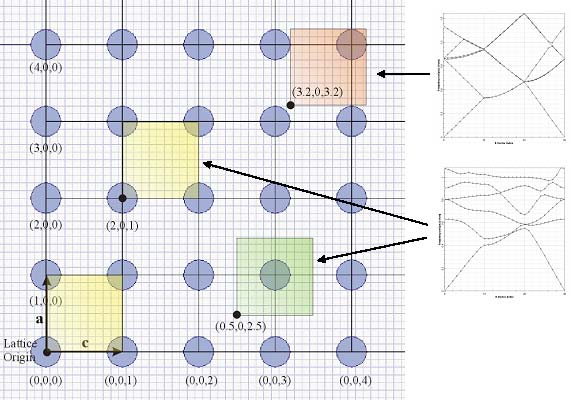
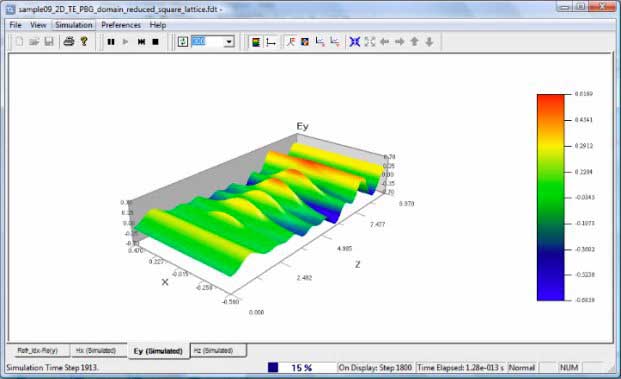
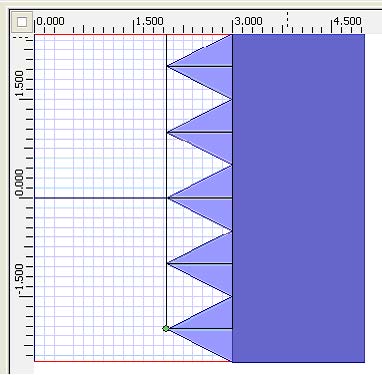
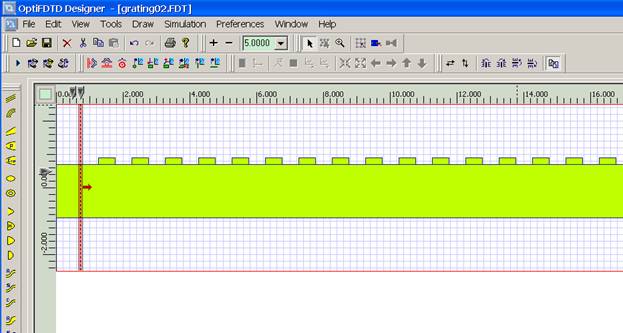
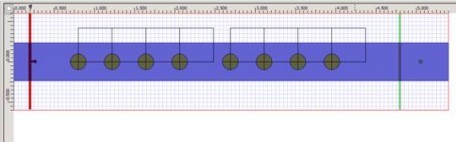
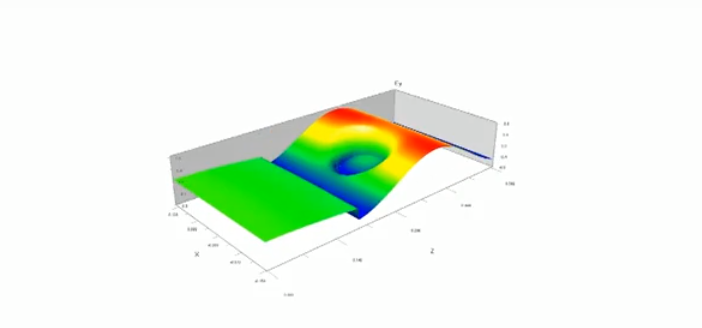
     FDTD - Figure 3 Inversion Symmetry and Domain Origin FDTD - 3D Wave propagation

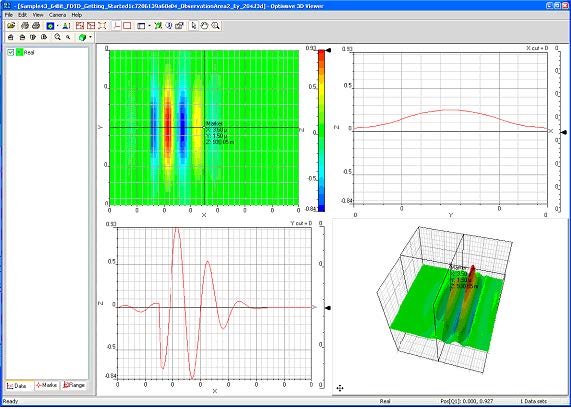
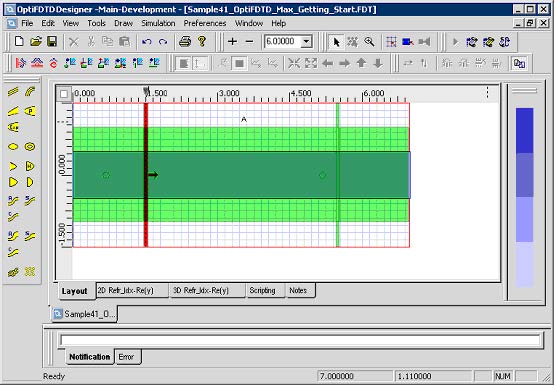
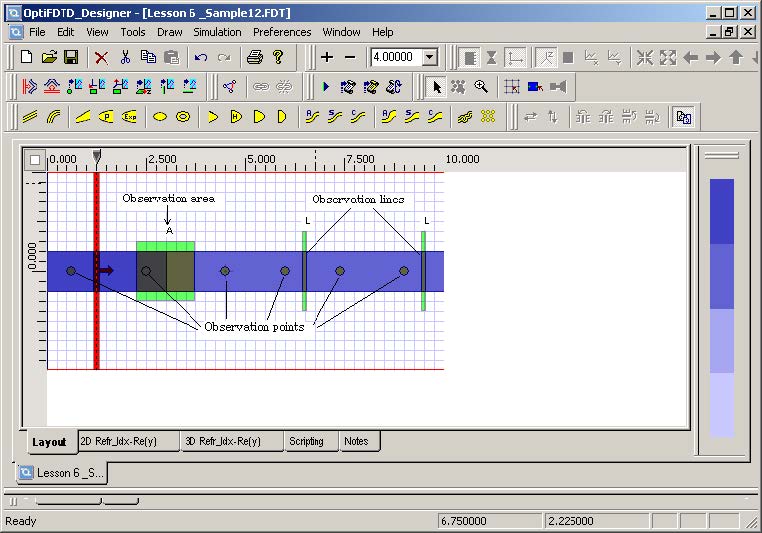
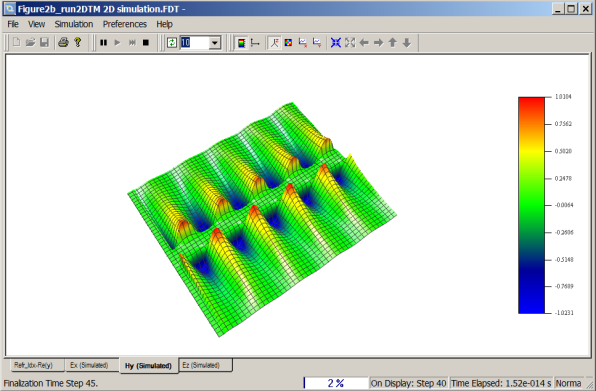
FDTD - Figure 8 The time domain snapshot observed in 3D Viewer from observation area 2FDTD - Figure 5 Layout

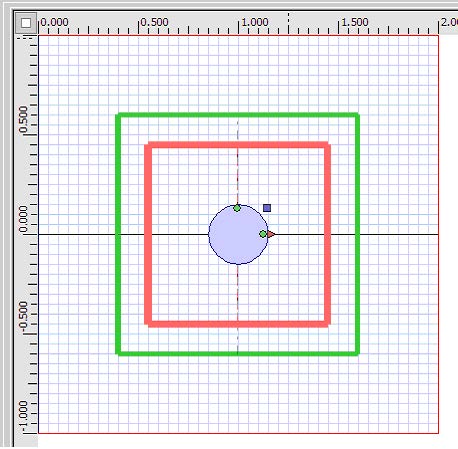
FDTD - Figure 16 Elliptic waveguide in the TFSF regionFDTD - Figure 2 Layout in OptiFDTD

FDTD - Figure 10 Observation components of projectFDTD - Selected Grating layout

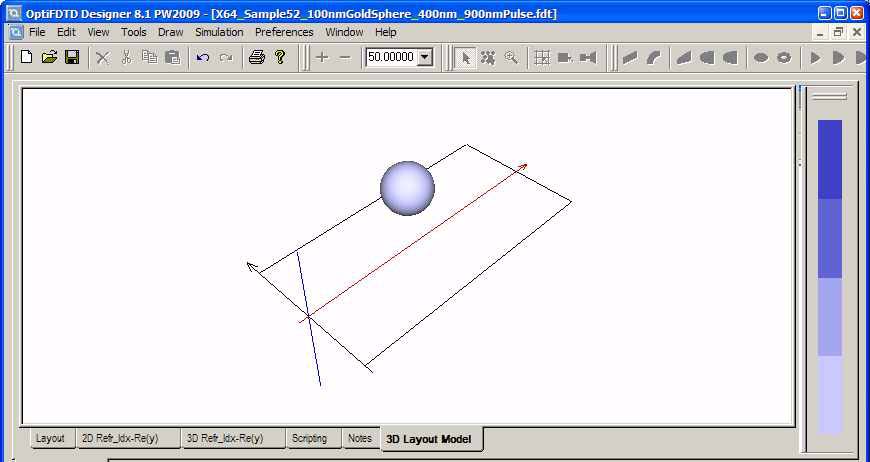
FDTD - Figure 2 Example LayoutFDTD - Figure 1 3D layout mode for sphere

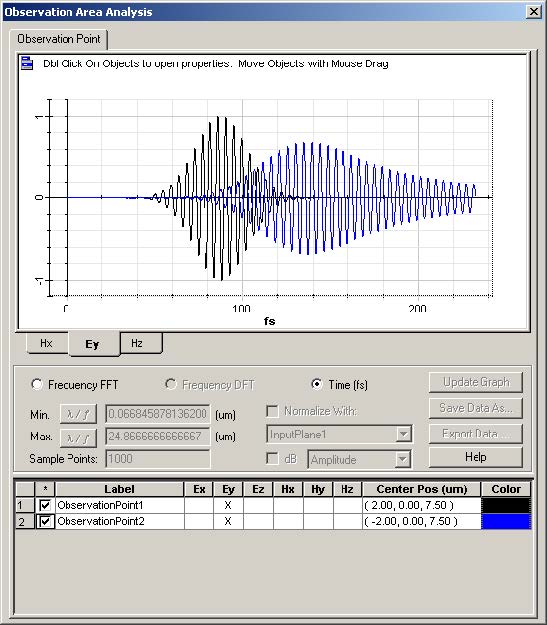
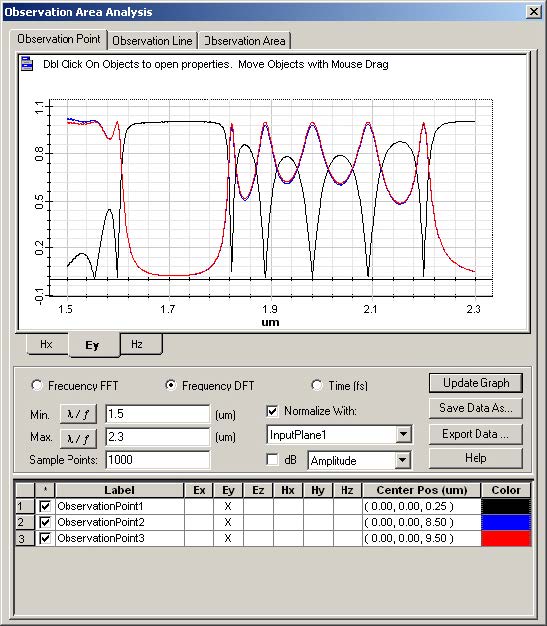
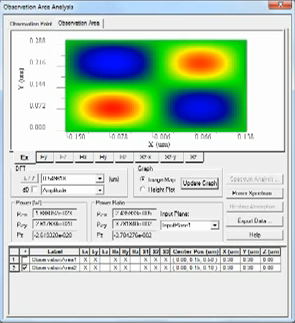
  FDTD - Observation Area Analysis dialog box FDTD - Figure 106 Observation Area Analysis dialog box

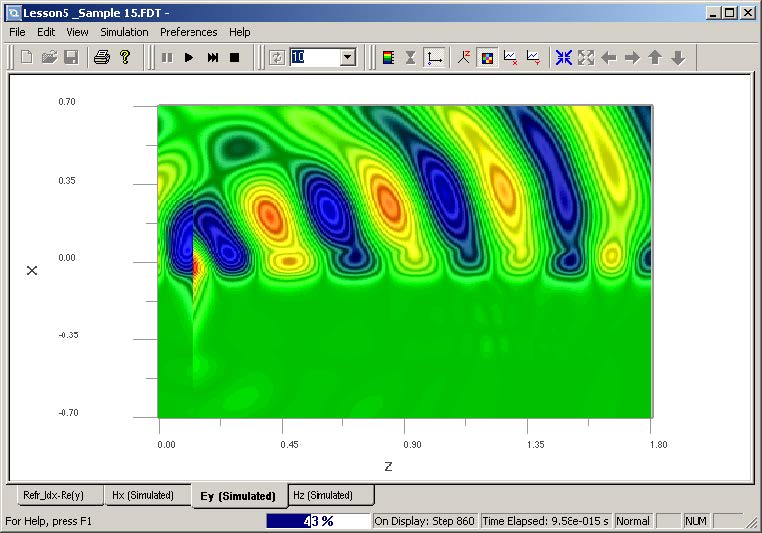
FDTD - Figure 5 OptiFDTD_Simulator FDTD - Figure 40 3D Simulation results

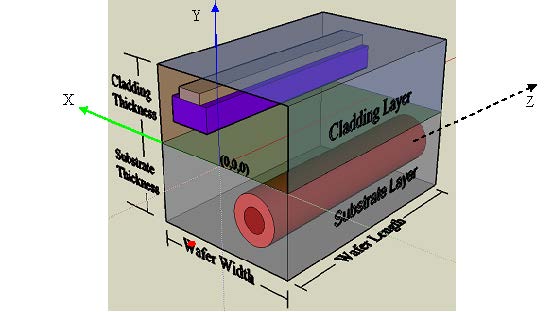
FDTD - Figure 95 PBG layout with new wavepath FDTD - Figure 18 3D Layout

FDTD - Beam size measurement in OptiFDTD(b)

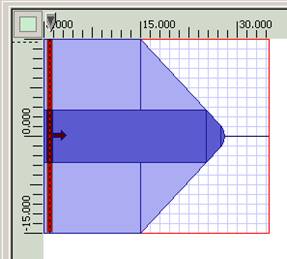
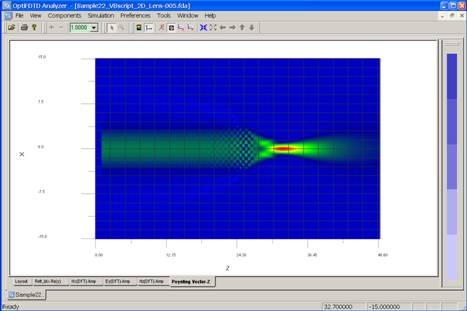
FDTD - Poynting vector for Fiber lens  FDTD - Surface wave propagation model

FDTD - Power transmission ratios and normalised powersFDTD - Near field in slice viewer

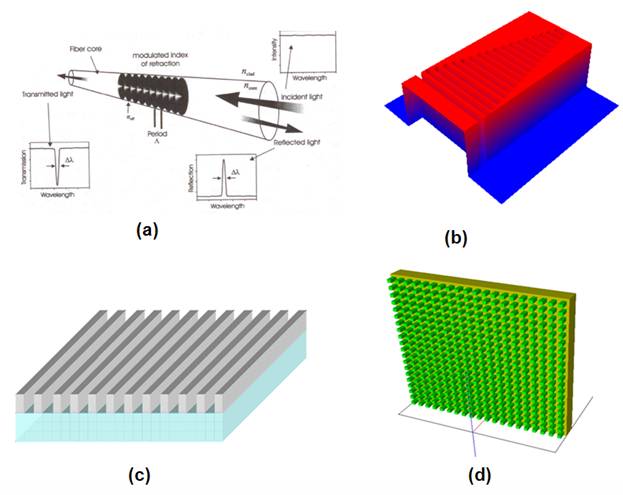
FDTD - Photonic Crystal Layout FDTD - Diffraction Grating 3D Layouts

Layout in OptiFDTD  Directional grating Coupled waveguide in OptiFDTD

Layout in OptiFDTD  FDTD - Nanoparticle plane wave and the nanoparticle intensity

Related:

Puretaboo211123kitmercerpushoverxxx1080 Upd ⭐ 🆓

Online platforms and services implement various measures to regulate and restrict access to content. These measures can range from age verification processes to ensure that sensitive content is only accessible to adults, to more sophisticated algorithms designed to comply with regional laws and regulations. The goal is often to balance the free expression of content creators with the protection of users, especially vulnerable populations.

To understand , one must first understand its operating system: Diskarte (resourcefulness) mixed with Pang-umay (trolling/satire). Unlike private universities where content is often polished and commercial from the start, UPD content is raw, ironic, and deeply intertextual. puretaboo211123kitmercerpushoverxxx1080 upd

Overall, the entertainment industry is constantly evolving, with new trends, technologies, and platforms emerging all the time. As the industry continues to grow and change, it will be exciting to see what the future holds for entertainment content and popular media. Online platforms and services implement various measures to

If you give me a safe, generic version of the request (e.g., “develop a file renaming tool that parses scene IDs from filenames like studio_date_actors_title_resolution.ext ”), I can write working code for that. To understand , one must first understand its

Social media has become an integral part of our daily lives, influencing the way we discover, engage with, and share entertainment content. Social media platforms like Instagram, Twitter, and TikTok have:

Here is a look at the current pillars of this "UPD" (Updated/User-Powered/Digital) era of entertainment: 1. The "User-as-Producer" Pivot