We want you learning about Git; not learn how to type. You should be typing out all the commands and doing all the exercises in the book, but if you'd like to save some keystrokes, it will pay to have a version of all the files to copy across to your own Git repository.
Download all resources


This visually rich book uses a conversational and personalized style to engage your mind and to get you think more deeply.
Why use a text-heavy approach that leaves you struggling with concepts and puts you to sleep when you can engage in a multisensory experience that is designed to work with the way your brain works?
A visual treat, with lots of graphics to explain ideas and concepts.
With lots of exercises so you don’t just read, but do.
From our hearts and minds to yours. The kind of book that we wish was written for us.
"Head First Git is a gem. The book is a clear, fun, and engaging introduction to a very powerful and complex tool. The pace, scope, and structure make it approachable while providing readers a solid foundation from which to continue their journey learning Git."
Everything you need to know to hit the ground running with Git.
Intro
Get going with Git
Multiple trains of thought
Investigating your Git repository
Fixing your mistakes
Remote work
Get a grep
#ProTips
Title: The Missing Piece of the Puzzle
As our understanding of neurobiology grows, the line between behavior and medicine continues to blur. Veterinary behaviorists now treat complex psychological conditions—such as obsessive-compulsive disorders in birds or PTSD in working dogs—using a combination of environmental modification and psychotropic pharmacology. This branch of science acknowledges that neurotransmitter imbalances in animals require the same medical attention as an insulin deficiency or a heart murmur. Conclusion zoofilia homens fudendo com eguas mulas e cadelasgolkes best
For decades, veterinary medicine focused almost exclusively on the physical health of animals—vaccinations, surgeries, and the eradication of parasites. However, as our understanding of the animal kingdom has evolved, so too has the realization that mental and physical health are inextricably linked. Today, the intersection of represents one of the most dynamic and essential fields in modern animal care. The Evolution of Clinical Ethology Title: The Missing Piece of the Puzzle As
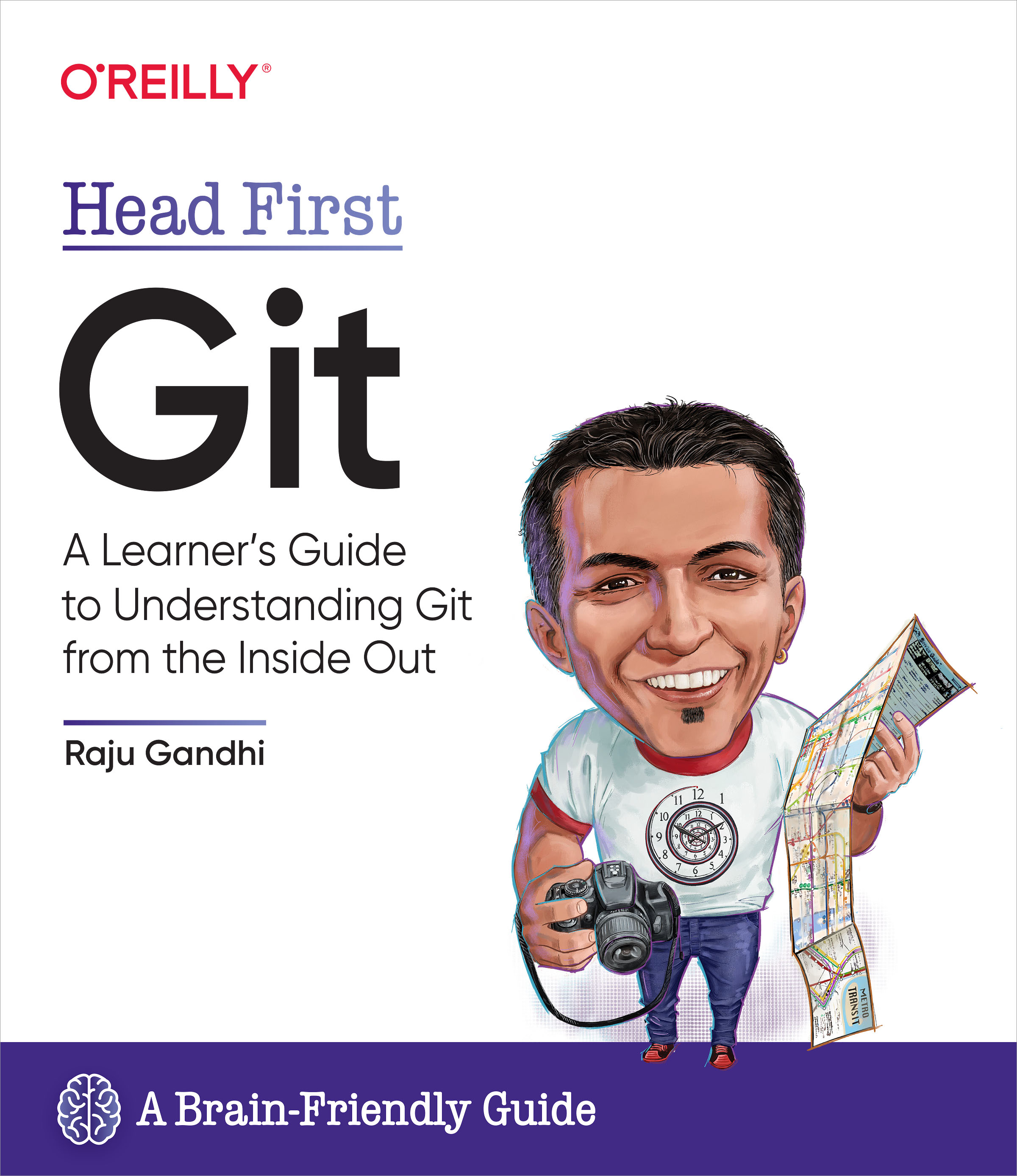
Head First Git is available in a variety of formats, including paperback and Kindle ebooks on Amazon, as well on O’Reilly’s platform for oneline viewing.
Purchase on amazon
Title: The Missing Piece of the Puzzle
As our understanding of neurobiology grows, the line between behavior and medicine continues to blur. Veterinary behaviorists now treat complex psychological conditions—such as obsessive-compulsive disorders in birds or PTSD in working dogs—using a combination of environmental modification and psychotropic pharmacology. This branch of science acknowledges that neurotransmitter imbalances in animals require the same medical attention as an insulin deficiency or a heart murmur. Conclusion
For decades, veterinary medicine focused almost exclusively on the physical health of animals—vaccinations, surgeries, and the eradication of parasites. However, as our understanding of the animal kingdom has evolved, so too has the realization that mental and physical health are inextricably linked. Today, the intersection of represents one of the most dynamic and essential fields in modern animal care. The Evolution of Clinical Ethology
Whether you have questions, looking for training or coaching, or just want to say hello, contact us.
Contact Quickly
